Slow Money Wins: The Hidden Cost of Betting Fast and Thinking Later

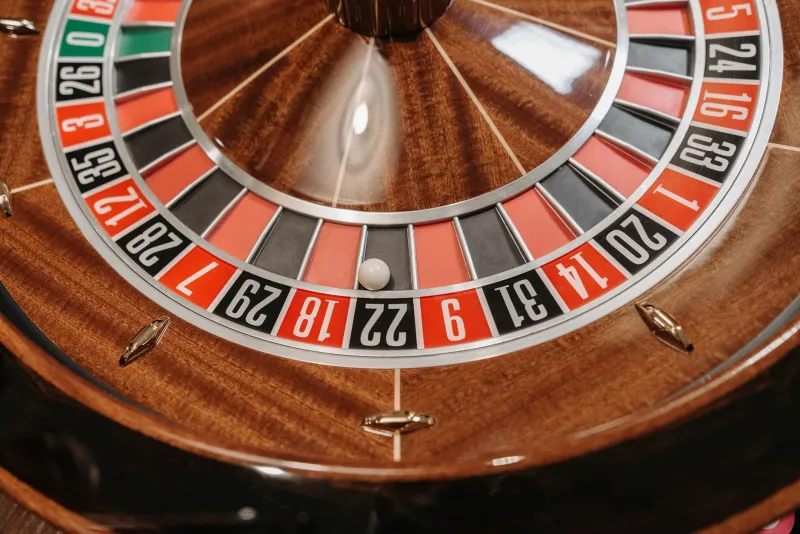
There's a reason Las Vegas casinos don't have clocks on the walls. Time disorientation is a feature, not an oversight. And while online betting platforms can't hide the clock on your phone, they've found dozens of other ways to manufacture urgency — and every single one of those tactics costs you money.
This isn't a conspiracy theory. It's interface design meeting behavioral economics, and the result is a quiet, invisible tax on anyone who bets quickly without noticing it.
The Pressure Is Built Into the Product
If you've ever placed a live bet, you know the feeling. The line flashes. A countdown timer appears. The odds shift. Your finger hovers over the confirm button and something in your gut says now or never.
That feeling isn't accidental. It's engineered.
Betting platforms — especially those catering to fast-moving American sports markets — use a combination of visual cues and interface mechanics to compress your decision window. Flashing odds, shrinking timers, color shifts from green to red: these are psychological nudges borrowed directly from casino floor design and applied to a digital screen.
The goal is simple. A bettor who decides in under three seconds is a bettor who hasn't shopped lines. A bettor who hasn't shopped lines is a bettor who almost certainly accepted a worse number than they could have found elsewhere. And worse numbers mean fatter margins for the house.
Research in behavioral finance has consistently shown that time pressure degrades decision quality — not just in gambling, but across virtually every domain where humans process risk. When your cognitive load spikes, you default to heuristics. In betting terms, that means you take the first number you see instead of the best one.
What the Data Actually Shows About Speed and Profitability
Here's something the major US sportsbooks would rather you didn't think about: there is a measurable, documented relationship between how long a bettor takes to confirm a wager and how much edge they retain.
Studies examining betting behavior on live markets have found that bettors who consistently confirm wagers in under five seconds accept lines that are, on average, 0.3 to 0.8 percentage points worse than the market's best available number at that moment. That might sound small. Multiply it across hundreds of bets over a season, and you're looking at a meaningful chunk of your bankroll silently eroding — not from bad picks, but from bad timing.
Patient bettors — those who take 15 to 30 seconds even during live action — tend to catch line movements, cross-reference alternate books, and occasionally find that the urgency they felt was manufactured rather than real. The line was still there. The bet was still available. The countdown was theater.
How Vietnamese Offshore Books Structure the Experience Differently
This is where it gets interesting for US bettors who've started exploring the offshore market, particularly platforms rooted in Vietnamese betting culture.
Vietnamese betting platforms have historically operated in a market where trust is currency. Because regulatory frameworks differ significantly from the US market, these books have had to earn loyalty through transparency rather than coerce it through interface tricks. The result, in many cases, is a betting experience that's structurally less aggressive about pushing you toward fast decisions.
Several well-regarded Vietnamese offshore books don't use countdown timers on pre-game markets at all. Line changes are communicated through updates rather than flashing animations designed to spike your cortisol. The visual language is calmer, and that calm translates — sometimes literally — into better decision-making for the bettor.
That's not to say every offshore Vietnamese platform is a paragon of bettor-friendly design. Live betting interfaces across the board carry some version of urgency mechanics because live betting genuinely requires faster decisions. But the degree of manufactured pressure varies significantly, and US bettors who've made the switch often report that the lower-stimulation environment helps them think more clearly.
The Specific Tactics to Watch For
Whether you're betting on a US sportsbook or an offshore platform, here are the pressure mechanics that should put you on alert:
Countdown timers on non-live markets. If a game hasn't started and you're seeing a timer on your bet slip, ask yourself why. There's no genuine reason for urgency on a pre-game line. The timer is there to make you stop thinking.
Color shifts and flashing odds. A line moving from black to red to green in rapid succession is visual noise designed to make you feel like you're about to miss something. Often, the movement is minor and the bet will still be available at a similar number in 20 seconds.
Bet confirmation screens with pre-filled amounts. Some platforms auto-populate your standard bet size so you can confirm with a single tap. Convenient? Sure. Also a mechanism that removes a natural pause point from your process.
Push notifications timed to big moments. Getting a push alert right as a key play happens in a game you're watching is not a coincidence. It's a platform using your emotional state against your wallet.
Practical Ways to Slow Down Your Process
You don't need to bet slowly to bet well — but you do need to build deliberate friction into your process. Here's how:
Set a personal minimum decision time. Even 10 seconds of conscious pause before confirming a live bet can interrupt the reflex response and engage your analytical brain. It sounds trivial. The difference in outcomes over time is not.
Have your alternate books open before the game starts. Line shopping is most powerful when it's already set up. If you have to open a second app after you've already felt the urgency, you probably won't do it. If the second app is already on your screen, you will.
Log your fast bets separately. For one month, track which bets you confirmed in under five seconds versus those you took more time on. Review the results. Most bettors who do this exercise are genuinely surprised by what they find.
Use the cash-out feature as a diagnostic, not a reflex. The cash-out button on live bets is another urgency trigger. Before you tap it, ask whether you're reacting to the game or to the interface.
The Bigger Picture
The betting industry in the US has grown explosively since PASPA fell in 2018, and with that growth has come increasingly sophisticated platform design. These books have access to behavioral data at a scale that would make a Silicon Valley product team envious. They know exactly when you're most likely to make an impulsive decision, and their interfaces are tuned accordingly.
The edge isn't just in the lines anymore. It's in the experience itself.
The bettors who consistently outperform the market over time share one underrated trait: they treat the platform as an adversary, not a tool. They approach the interface with the same skepticism they'd apply to the line itself. They slow down when everything around them is designed to make them speed up.
At NhaCaiUyTin102, we've seen how different betting cultures approach this problem — and the quietest bettors in the room are often the most profitable ones. Speed is exciting. Patience pays.