Why American Bettors Are Ditching PayPal for Bitcoin — And Vietnamese Platforms Are Leading the Charge
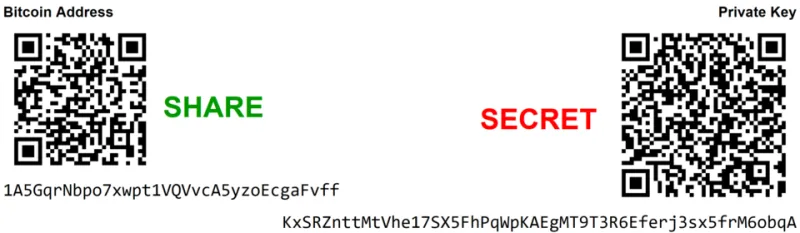
Photo: FlippyFlink, CC BY-SA 4.0, via Wikimedia Commons
The Old Way of Betting Is Starting to Show Its Age
If you've ever tried to withdraw winnings from a major US sportsbook on a Friday afternoon, you already know the pain. Processing delays, identity verification holds, fees that chip away at your profit — it's a friction-heavy experience that feels oddly out of step with the rest of the digital economy. Meanwhile, a quiet revolution has been building on the other side of the Pacific, and it's starting to land on American shores in a big way.
Vietnamese-operated betting platforms have been building out crypto-native infrastructure for years, largely out of necessity. Cross-border payment restrictions and a fragmented regional banking system pushed these operators to embrace blockchain technology earlier than their Western counterparts. The result? A generation of platforms that are genuinely faster, leaner, and more accessible than anything most US bettors have dealt with before.
What Blockchain Actually Does for Your Betting Experience
Let's cut through the buzzwords for a second. When people say a betting platform is "blockchain-powered," what does that actually mean in practice?
First, payouts. Traditional sportsbooks route withdrawals through payment processors, banks, and sometimes third-party compliance layers. That chain of intermediaries is why you're waiting 3–7 business days for money that's already yours. On a crypto-integrated platform, a withdrawal can settle in minutes. Some Vietnamese-operated sites processing USDT or ETH transactions are reporting average payout times under 15 minutes — a stat that sounds almost absurd compared to legacy US operators.
Second, fees. Credit card deposits at US books often carry a 3–5% processing charge. ACH transfers are slower. Crypto transactions, by contrast, involve minimal network fees — often less than a dollar for stablecoin transfers on chains like Tron or Polygon. For high-volume bettors moving thousands of dollars a week, that difference compounds fast.
Third, accessibility. This one matters more than people realize. Vietnamese platforms built for Southeast Asian markets have, almost by default, created infrastructure that doesn't require a US Social Security number, a verified US bank account, or even a permanent address to get started. That's a significant draw for American bettors who've had accounts restricted or closed by domestic sportsbooks.
The Regulatory Gray Zone (And Why It's Not as Scary as It Sounds)
Here's where things get nuanced. The US sports betting market is regulated at the state level, and most licensed American sportsbooks operate under strict frameworks from bodies like the New Jersey Division of Gaming Enforcement or the Pennsylvania Gaming Control Board. Vietnamese-operated platforms exist outside those frameworks entirely — which creates a gray area that's worth understanding before you jump in.
Operating in this space isn't automatically illegal for US bettors. Federal law in the US largely targets operators, not individual bettors, and the Unlawful Internet Gambling Enforcement Act (UIGEA) specifically focuses on financial transactions rather than the act of betting itself. That said, the legal landscape varies by state, and it's always worth knowing where your jurisdiction stands.
What the gray zone does create is a different kind of risk calculus. Offshore and internationally operated platforms aren't bound by the consumer protections that US-licensed books must follow. That means dispute resolution, responsible gambling tools, and data privacy standards can vary wildly. The better Vietnamese operators have responded to this by leaning into blockchain's inherent transparency — provably fair systems, on-chain transaction records, and smart contract-based payout mechanisms that don't require you to trust a human on the other end.
Security: Where Crypto Betting Gets Complicated
For all its advantages, the crypto betting world isn't without landmines. Scam platforms are real. Rug pulls — where an operator vanishes with user funds — have happened more than once in this space. And because there's no FDIC equivalent for your betting wallet, losses from a fraudulent platform are essentially unrecoverable.
The Vietnamese platforms that have built lasting reputations in the US market have generally done so by prioritizing a few key trust signals: provably fair RNG certification, multi-signature cold wallet storage for user funds, and transparent licensing from jurisdictions like Curaçao or Malta that, while not US-issued, do carry accountability frameworks.
For American bettors evaluating a crypto platform, the checklist should include: verifiable licensing, a track record of at least 2–3 years of operation, community reputation on forums like Reddit's r/sportsbook, and clear terms around withdrawal limits and KYC requirements.
Why the Migration Is Accelerating Right Now
A few converging forces are pushing more American bettors toward crypto-native platforms in 2024 and 2025. Stablecoin adoption is way up — bettors who don't want volatility exposure can now deposit and withdraw in USDC or USDT without touching volatile assets like Bitcoin. Mobile-first design from Vietnamese operators has also closed a lot of the UX gap that used to make offshore sites feel clunky compared to polished US apps.
And then there's the frustration factor. US sportsbooks have gotten increasingly aggressive about limiting sharp bettors — reducing max bet sizes, flagging accounts that win consistently, and in some cases banning users outright. Vietnamese platforms, operating with different business models and higher volume tolerances, have become a natural landing spot for bettors who've been squeezed out of the domestic market.
The Bottom Line
Crypto betting isn't a fringe phenomenon anymore. It's a legitimate alternative infrastructure that Vietnamese operators helped build — and that American bettors are increasingly choosing to use. The advantages in speed, cost, and accessibility are real. So are the risks. Going in with open eyes, doing your platform research, and understanding the regulatory context in your state will go a long way toward making the experience work in your favor.
At NhaCaiUyTin102, we've been watching this space closely because it's where a significant chunk of the future of online betting is being written. The platforms leading this charge aren't in Las Vegas — they're in Ho Chi Minh City, and they're building for a global audience that includes you.